Local SEO is no longer just another marketing box to tick; it’s the primary way modern patients discover and choose dentists in their neighborhood. Google Business Profile (GBP) updates, AI‑powered “Zero‑Click” answers, and rising voice search usage have all reshaped what it takes to rank locally—especially for health‑care providers held to higher expertise and trust standards.
Use this step‑by‑step 2025 checklist to make sure your dental practice appears (and converts) everywhere prospective patients are searching.
1. Perfect Your Google Business Profile (GBP)
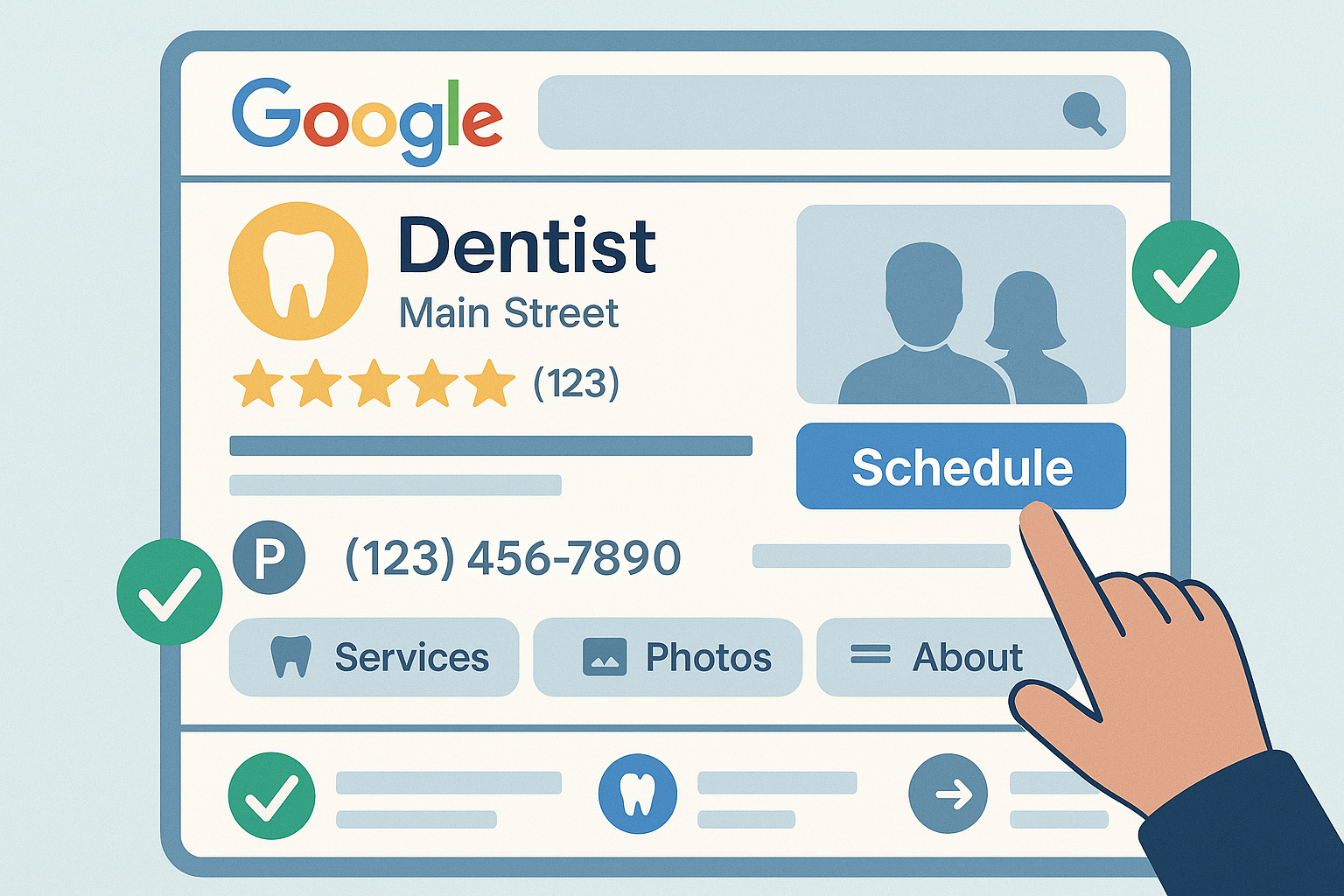
a. Fill Every Field
-
Business category: “Dentist,” plus niche categories such as “Cosmetic Dentist,” “Emergency Dental Service,” or “Pediatric Dentist.”
-
Attributes: Parking, wheelchair access, multilingual staff, insurance accepted.
-
Appointment link: Integrate your scheduling platform so users can book directly from the listing.
b. Post Weekly, Not Monthly
Short GBP posts (promotions, before‑and‑after photos, treatment tips) send “freshness” signals to Google and keep patients engaged.
c. Leverage the New “Services & Treatments” Section
Google now surfaces individual services (e.g., “Invisalign” or “Dental Implants”) as mini‑keywords inside the local pack—add price ranges and short descriptions.
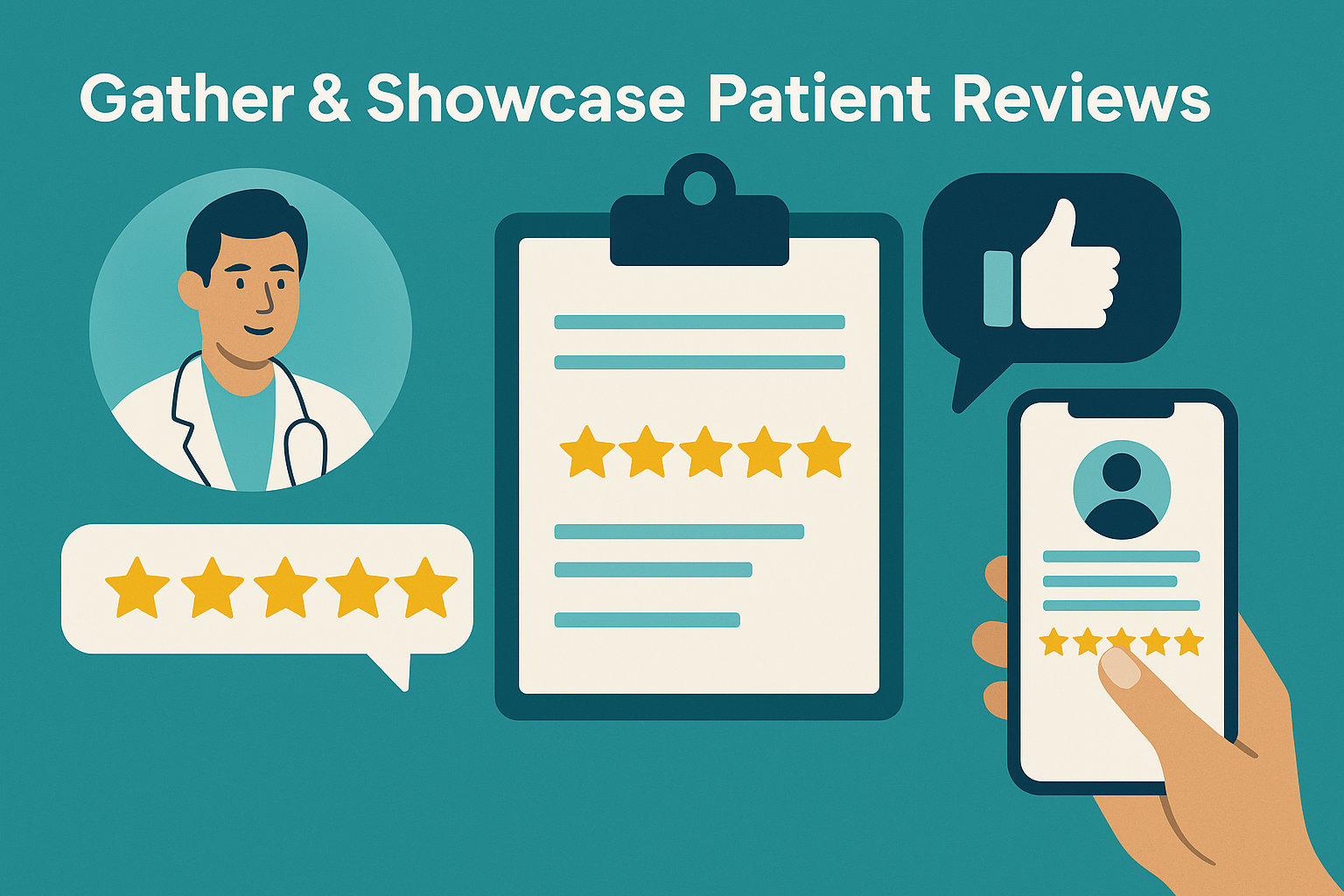
2. Gather & Showcase Patient Reviews
92 % of dental patients check online reviews before booking. For 2025, quality and recency matter more than raw volume.
-
Ask within 24 hours of the visit via SMS or email.
-
Reply to every review (positive or negative) within two business days—Google treats responsiveness as a trust signal.
-
Tag relevant keywords naturally in responses (e.g., “We’re glad your root‑canal experience was painless”).
-
Highlight top reviews on your website using Review or Testimonial schema markup for rich‑snippet eligibility.
3. Align Pages With Exact Search Intent
Google’s SERPs for “Invisalign Toronto” or “dentist near me” now favor pages laser‑focused on the dominant intent—broad “ultimate guides” rank less often.
-
Map each target keyword to one dedicated asset.
-
Deliver the answer fast—put core details (pricing, procedure length, pain levels) above the fold.
-
Use interactive elements (cost calculators, appointment widgets) to reduce pogo‑sticking and improve dwell time.
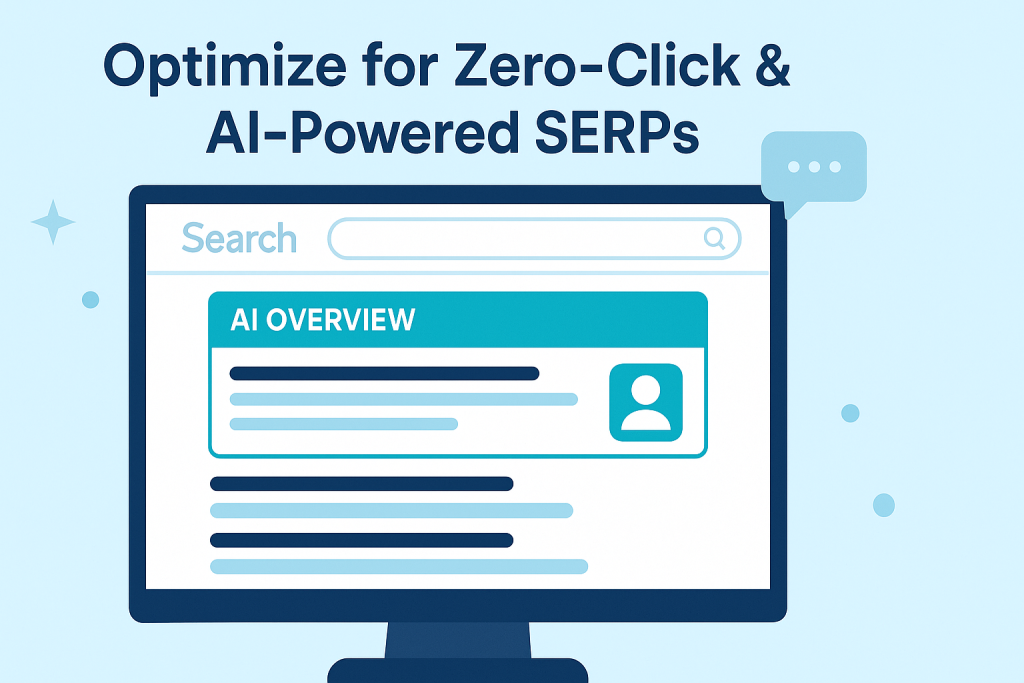
4. Optimize for Zero‑Click & AI‑Powered SERPs
AI Overviews, featured snippets, People‑Also‑Ask boxes, and “Find a Dentist” carousels lower organic click‑through rates.
-
Structured data wins citations. Mark up FAQs, procedures, hours, and accepted insurance with FAQ, Service, and LocalBusiness schema.
-
Answer micro‑questions (e.g., “How long does teeth whitening last?”) in ≤ 40‑word blocks so Google can lift them verbatim.
-
Embed proprietary tools—a chair‑time calculator or oral‑health quiz—so searchers must click to interact (protecting traffic even when answers appear on the SERP).
5. Accelerate Site Speed & Core Web Vitals
Dental sites heavy on high‑res photos often load slowly—hurting rankings and conversions.
| Vital | 2025 Benchmark | Quick Fix |
|---|---|---|
| LCP (Largest Contentful Paint) | < 2.5 s | Serve hero images in WebP + lazy‑load below‑the‑fold media |
| INP (Interaction to Next Paint) | < 200 ms | Minimize third‑party scripts, defer non‑critical JS |
| CLS (Cumulative Layout Shift) | < 0.1 | Reserve size for images & embeds; avoid layout‑shift ads |
Test monthly with PageSpeed Insights or Lighthouse.
6. Master Local Citations & Data Consistency
Search engines cross‑reference your NAP (Name, Address, Phone) to gauge legitimacy.
-
Clean up duplicates using tools like BrightLocal or Whitespark.
-
List on health‑care directories (Healthgrades, RateMDs) and mainstream platforms (Yelp, Apple Maps).
-
Use consistent formatting—suite numbers, abbreviations, phone punctuation—in every listing.
7. Embrace Voice Search & “Near Me” Queries
Smart‑speaker usage grows double digits each year, and voice queries skew local and conversational.
-
Add natural‑language questions as H2/H3 headings (“Where can I get same‑day crowns in [City]?”).
-
Optimize for “open now” searches by maintaining holiday hours in GBP.
-
Provide concise answers (one‑sentence summaries) immediately after the heading to land voice‑assistant responses.
8. Strengthen E‑E‑A‑T With First‑Hand Expertise
Google evaluates Experience, Expertise, Authoritativeness, and Trust (E‑E‑A‑T) aggressively in YMYL (Your‑Money‑Your‑Life) niches like dentistry.
-
Authorship: Display dentist bios with credentials, years in practice, and professional memberships.
-
Original media: Post in‑office treatment videos and clinician Q&As instead of stock imagery.
-
Research citations: Reference peer‑reviewed studies when discussing clinical outcomes.
-
Update timestamps: Show content freshness for procedures that evolve (e.g., digital implant workflows).
9. Build Authority With Local Backlinks
Local signals ≠ volume of backlinks; relevance beats raw numbers.
-
Sponsor community events (youth sports, health fairs) and request a follow link on the organizer’s site.
-
Collaborate with allied professionals (orthodontists, periodontists) for guest posts or referral‑page links.
-
Pitch local news outlets expert commentary on oral‑health awareness months, earning high‑authority citations.
10. Track the Metrics That Matter
A results‑driven strategy requires data beyond rankings.
| KPI | Why It Matters | 2025 Benchmark |
|---|---|---|
| Local Pack Impressions | Measures GBP visibility | Goal: +10 % QoQ |
| Click‑to‑Call rate | Direct indicator of new‑patient intent | ≥ 6 % of site sessions |
| Appointment‑booking conversions | Ties SEO to revenue | Track via thank‑you page events |
| Review velocity | Signals ongoing trust | ≥ 5 new reviews / month |
Use Google Business Profile Insights, GA4, and call‑tracking software to attribute leads accurately.
Quick‑Glance Checklist
-
All GBP fields completed & appointment link active
-
1–2 GBP posts per week
-
≥ 5 new Google reviews monthly, 100 % replied
-
Service pages mapped one‑to‑one with high‑intent keywords
-
FAQ & LocalBusiness schema implemented
-
Core Web Vitals pass in PageSpeed Insights
-
NAP identical on 30+ directories
-
Voice‑friendly Q&A headings added to top pages
-
Author bios + original clinic photos across site
-
Local call‑tracking and ROI dashboard set up
Frequently Asked Questions
How long will it take to see local‑SEO gains?
Many dentists notice higher map‑pack impressions in 4–6 weeks after optimizing GBP and citations; competitive keywords can take 3–6 months.
Do I still need blog posts if most clicks become zero‑click?
Yes—well‑structured answers in blog posts earn citations inside AI Overviews and feed long‑tail voice queries.
Can I automate review requests?
Absolutely. Integrate your practice‑management software with email/SMS tools to trigger a review link after each appointment.
Next Step: Get a Free Local‑SEO Audit From clickguru
Implementing this 2025 checklist will push your practice ahead of slower competitors—but the fastest route is professional guidance. clickguru has generated average 500 % ROI for dentists across North America by fine‑tuning local SEO, Core Web Vitals, and AI‑era content.
Schedule your free website & GBP audit today, and discover the exact fixes that will drive more patients through your doors this quarter.